What a Tournament Really Asks of a Child
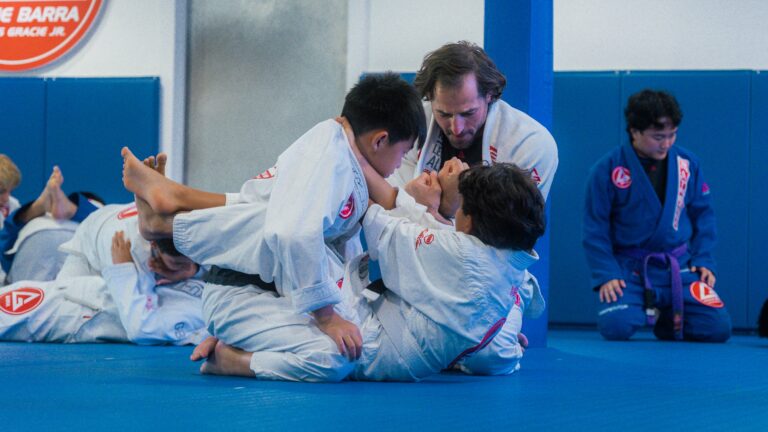
Many parents start thinking about tournaments once their child has a few stripes and looks at home in class. The benefits of jiu-jitsu competition for kids are real, but they rarely come from the medal. They come from what a child has to handle along the way: preparing for a specific date, managing nerves in an unfamiliar gym, and finding out how their training holds up against someone they have never met.
This guide is for families at Gracie Barra Lake Elsinore and anyone else weighing that first step. It covers what a child can gain from competing, how to tell whether the timing is right, and how parents can make the day useful whether their child wins or not. Competing is a choice, not a requirement, and the right answer depends on the child.

DISCOVER Gracie Barra Lake Elsinore
CLICK HEREBenefits of Jiu-Jitsu Competition for Kids Start Before the First Match
In class, a child usually rolls with partners they know well. They know who is bigger, who likes to play guard, and who will go easy at the end of a long session. A tournament removes that comfort. The opponent is a stranger matched by age, weight, and rank, and the child has no idea what is coming. Learning to show up anyway is one of the most useful things the sport teaches.
Nerves are part of the package. Waiting to be called, hearing the crowd, and watching other matches can make even a confident kid go quiet. That reaction is normal and does not mean the child is not cut out for the mat. Kids who learn to feel scared and still walk out are practicing something they will need for school presentations and tryouts. The site’s guide to dealing with the nerves that come with sparring and competing explains how that fear tends to shrink with preparation.
Training Toward a Fixed Date
A tournament also gives training a clear target. A child who has been drifting through classes often starts paying closer attention when they know they will need a specific escape in six weeks. “I want to stop getting stuck under side control” is a goal a child can actually work on. “Get better at jiu-jitsu” is not.
What Children Learn From Winning and Losing
Every match ends with one child’s hand raised. Much of the learning happens right there, because both outcomes ask something different of the child.
Losing Without Losing Confidence
Losing in front of family is hard, especially for younger kids. Handled well, it teaches a lesson that is difficult to learn any other way: a bad result is information, not a verdict. A child who got swept twice can work on that position in class and notice the difference a few weeks later. That cycle builds the kind of confidence that comes from proving competence on the mats, which lasts longer than praise for simply showing up.
The adult reaction shapes what the child takes away. If the first question after a loss is “what happened?”, the child learns that the result is what counts. If it is “what did you try?”, they learn to look at their own decisions and effort.
Winning With Respect
Winning teaches restraint. Young competitors learn to shake hands, thank the referee, and skip celebrating in an opponent’s face. These are the same habits reinforced in class, like tapping early and respecting a partner’s tap, and seeing them hold up under pressure shows a child that sportsmanship is more than a class rule.
Is Your Child Ready for a Kids Jiu-Jitsu Tournament?
No single age or belt marks readiness. Children develop at different speeds, and how kids change from early childhood into the pre-teen years affects how they handle structure, pressure, and disappointment. A few signs tell you more than a birthday: the child is curious about competing when the subject comes up, follows class rules without reminders, taps when caught, and lets go right away when a partner taps.
Rank matters mostly because it shapes who your child will face. Kids divisions are usually organized by age, weight, and belt, so it helps to understand how the kids’ belt and stripe system works before registering. An instructor at Gracie Barra Lake Elsinore who sees your child roll every week is the best person to say whether their skills fit the division they would enter.
Rules Designed for Younger Competitors
Many parents worry about injuries. Youth divisions follow stricter rules than adult ones, and the techniques that put the most stress on joints are restricted for children. The IBJJF publishes a chart of illegal moves by age and category, and other organizations set their own limits. Read the rules of the specific event instead of assuming every tournament works the same way.
How to Prepare for a First Jiu-Jitsu Tournament as a Family
Preparation is mostly about removing surprises. Check the event schedule, weigh-in process, and uniform requirements ahead of time. Pack water, snacks, and a spare gi. Arrive early enough that your child can see the venue before they are called to compete.
Set goals around effort rather than results. “Try your guard pass” or “keep moving when you are on the bottom” gives a child something within their control. On the sideline, keep roles simple: the coach gives technical instructions, and the parent gives calm support. Two adults shouting different advice confuses any child.
Turning One Tournament Into Better Training
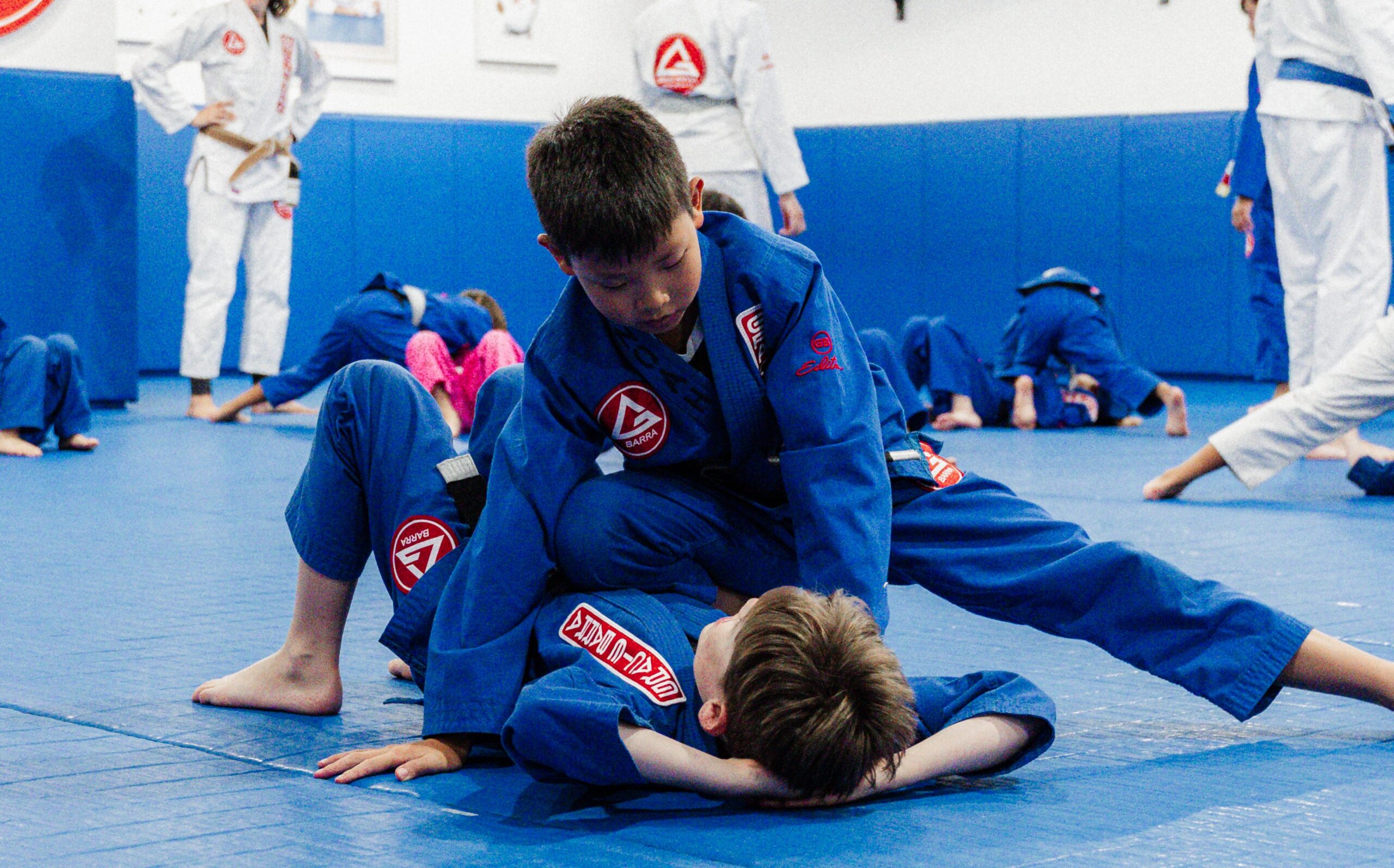
The most useful part of a tournament often happens in the weeks after it. A child who saw what worked and what did not now has a reason to ask sharper questions in class. Ask them to choose one position they want to improve and mention it to their instructor.
Not every child will want to compete again, and that is fine. The Gracie Barra Kids program builds confidence, discipline, and self-defense skills through regular classes, and competition is one optional way to test those skills. Some kids sign up for every local event, while others compete once and decide they prefer training. Both paths keep them on the mat.

DISCOVER Gracie Barra Lake Elsinore
CLICK HERESo, Is Competing Worth It for Your Child?
For many children, yes, as long as they want to do it and their instructor agrees they are ready. The benefits of jiu-jitsu competition for kids come from facing nerves, handling a result honestly, and bringing those lessons back to practice. A medal is a nice reminder, but it is not the point.
If your child trains at Gracie Barra Lake Elsinore and has started asking about tournaments, the next step is a short conversation with their instructor about timing and which event fits their level. If they are not asking yet, keep training and let the interest come on its own.